Designing continuity across complex analytical systems
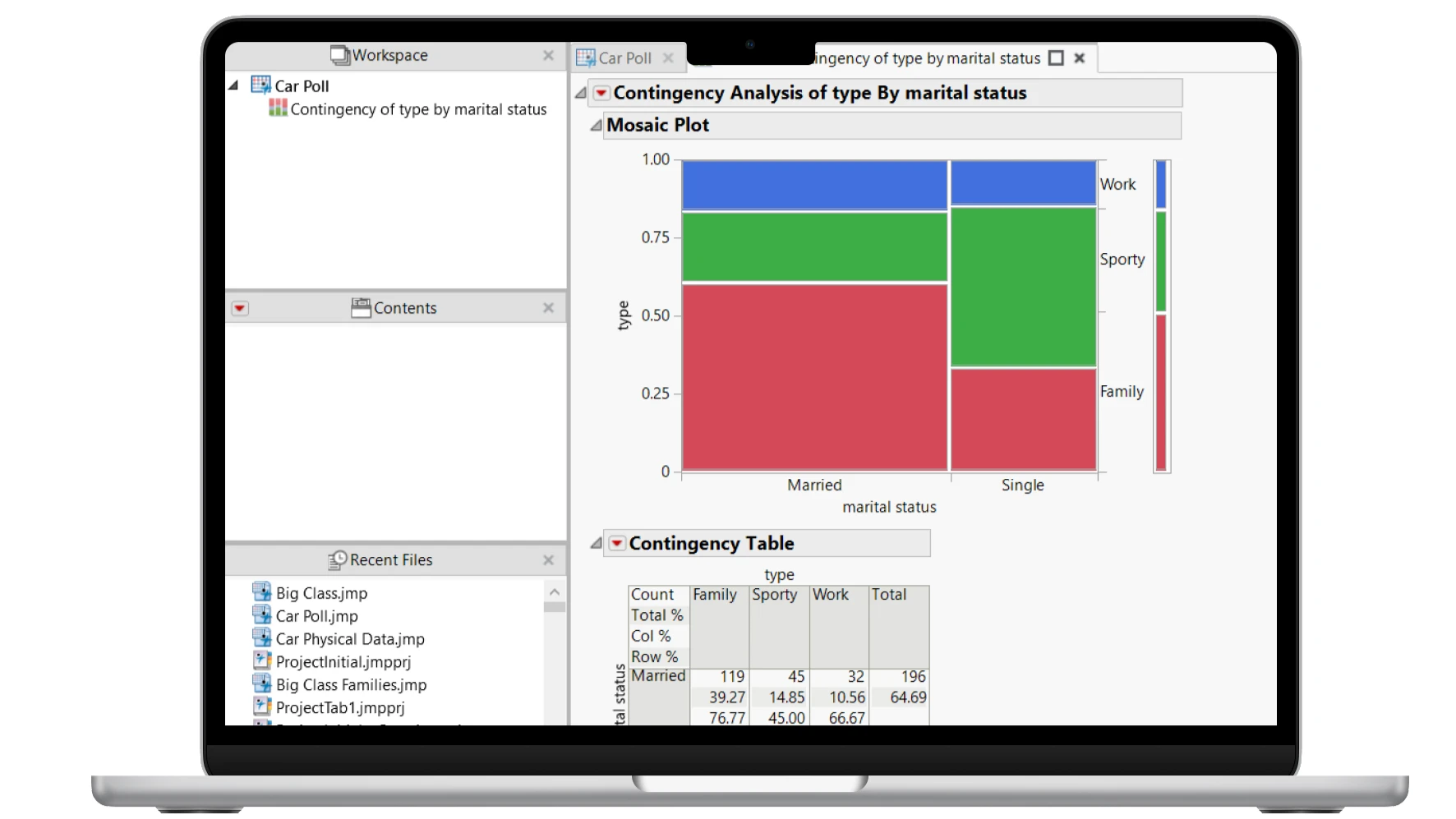
JMP users regularly worked across interconnected datasets, reports, and exploratory workflows as part of highly iterative analytical processes. As projects increased in complexity, maintaining continuity across analytical work became increasingly difficult.
The work focused on designing a more connected workspace experience that improved organization, preserved analytical context, and supported collaboration without disrupting the flexibility technical users relied on.
Structuring analytical workflows around continuity
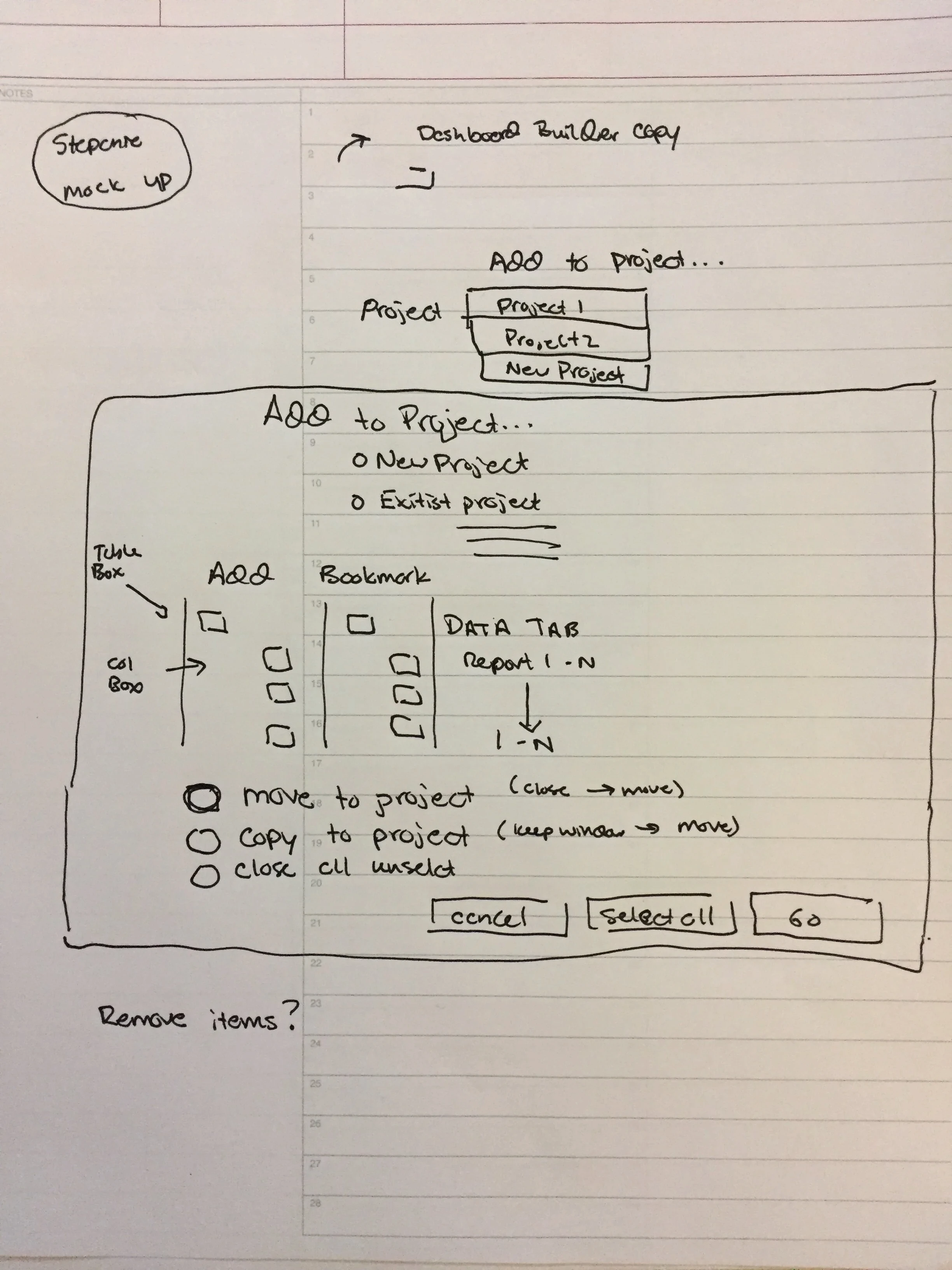
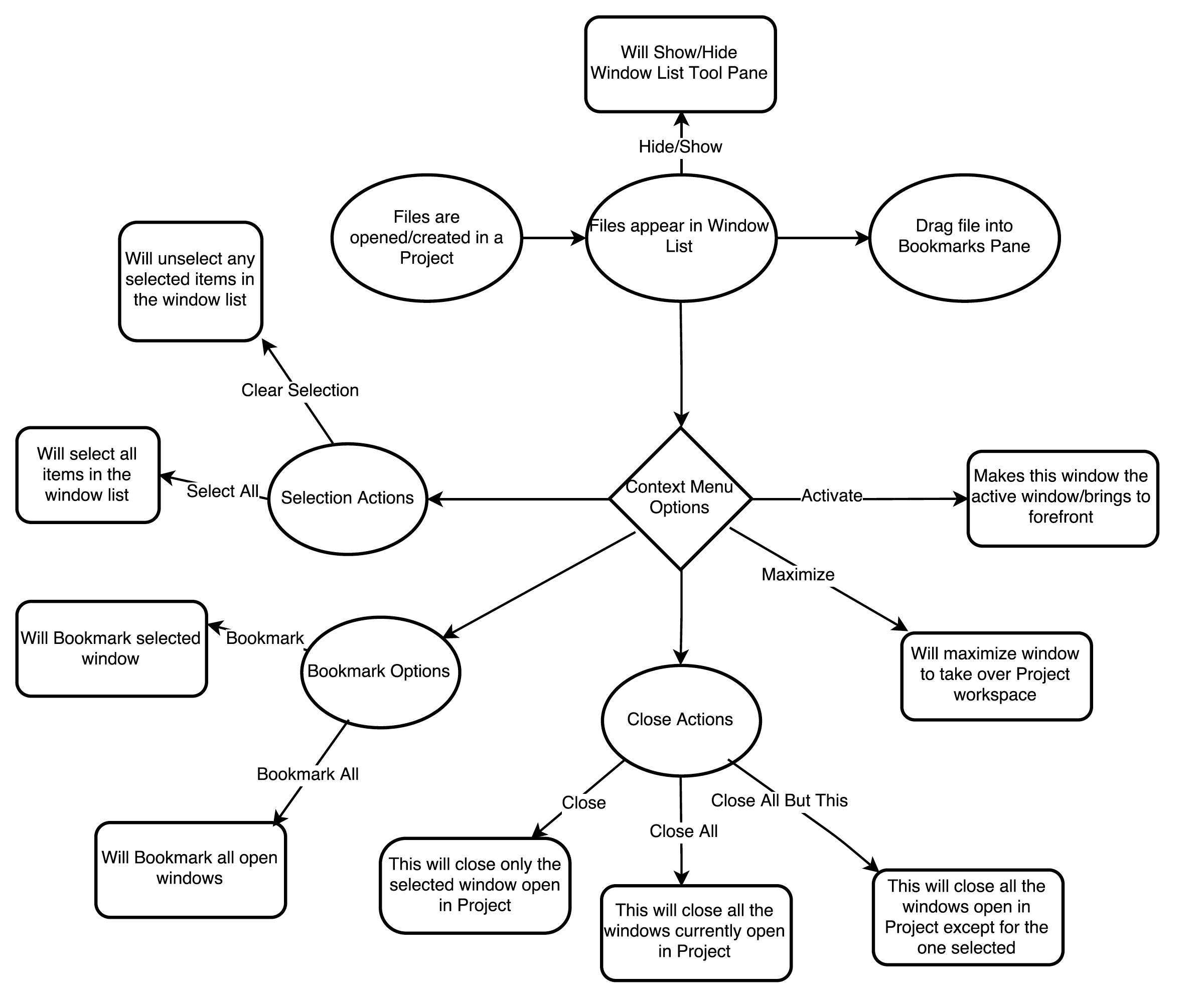
The redesign focused on creating a centralized workspace where users could organize related assets, preserve analysis state, and move more fluidly between different stages of their work. Features like project containers, navigation structures, and state preservation helped reduce friction while supporting more scalable analytical workflows.
As the project evolved, the work also expanded into integration with JMP Live, creating a more seamless transition between analysis and publishing. This helped connect individual exploration with broader collaboration and sharing workflows while maintaining the context and interactivity users relied on throughout the analytical process.
Creating more connected analytical experiences
As the project evolved, the work expanded into broader integration with JMP Live, helping create a more seamless transition between analysis, publishing, and collaboration.
The redesigned workspace introduced more scalable organizational structures that improved continuity across analytical workflows while preserving the exploratory flexibility users depended on. Shared interaction patterns and more connected workflows helped support scalability across products while creating a more cohesive analytical ecosystem overall.
The resulting experience created a more scalable and connected analytical environment that better supported exploration, collaboration, and long-term analytical work across complex research workflows.